
Community Group Across Burma Lead
Earthquake Relief Efforts
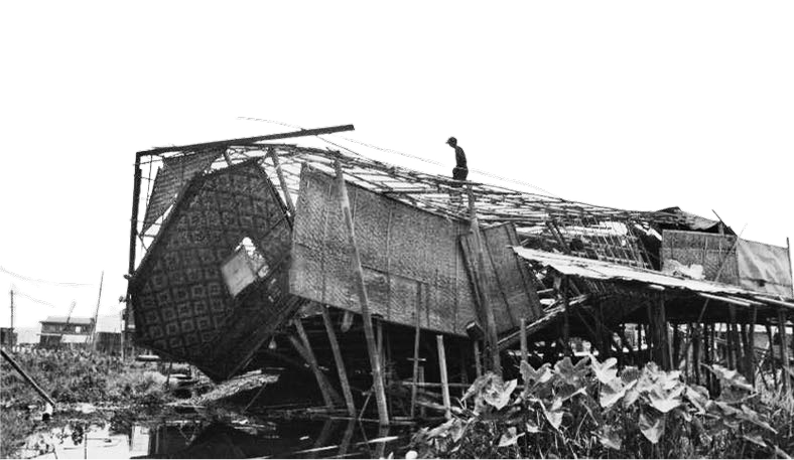
On March 28, 2025, a 7.7 magnitude earthquake struck Sagaing Region, in Burma’s central dry zone; the devastation reached as far west as Chin State and as far east as southern Shan State. It brought further loss to communities that had already endured years of war and repression by a brutal junta. Thousands of lives were lost, hundreds of thousands of buildings and homes were damaged, and millions of people were left without basic necessities in the aftermath of the disaster.
The humanitarian response led by local aid networks was rapid, effective, and carried out amid severe restrictions imposed by the military. Our partners were among the first to respond in their communities, organizing emergency food, shelter, and medical care and assessing the widespread destruction. They knew what was needed, and we knew it was our job to gather funds to support them.
When we announced our fundraising campaign for earthquake relief, our long-time donors gave generously, as did hundreds of new individuals. We reactivated our presence on social media and leaned on long-standing relationships with trusted supporters, sent out appeals, and applied for grants from likeminded institutions, committing to giving 100% of funds raised to local groups on the ground. We urged people to only give to trusted community-based networks or donors who partner with them, so that aid funds would not be co-opted by the military, as had occurred during past disasters in Burma.
Globally, aid is not always quick to arrive in emergencies: it can take weeks for some international funds to reach people on the ground. We are proud of the responsive system we have developed at Partners Asia to review urgent proposals and disburse grants in a crisis. After the 2025 earthquake, we were able to get emergency funding to our partners within 48 hours of their requests, enabling true real-time support.
When we reflect on this disaster, it was community-based organizations’ capacity, understanding, and access that saved lives. Their efforts reinforced the reality that we are not helpless in a crisis: we can make sure that local groups have the resources they need to respond quickly and effectively. The 2025 earthquake was a reminder of our shared power, and our responsibility, to do our best to ease suffering wherever we are confronted with it.